
Understanding the psychological impact of gambling on decision-making processes
The Nature of Gambling and Decision-Making
Gambling, a widespread activity that often blurs the lines between entertainment and risk, significantly influences decision-making processes. The allure of potential rewards can lead individuals to make impulsive choices that might contradict their better judgment. This phenomenon is particularly evident in environments like casinos, where bright lights and sounds create a stimulating atmosphere that heightens excitement and diminishes rational thinking. Many players seek strategies by researching offshore casino sites to maximize their experience.
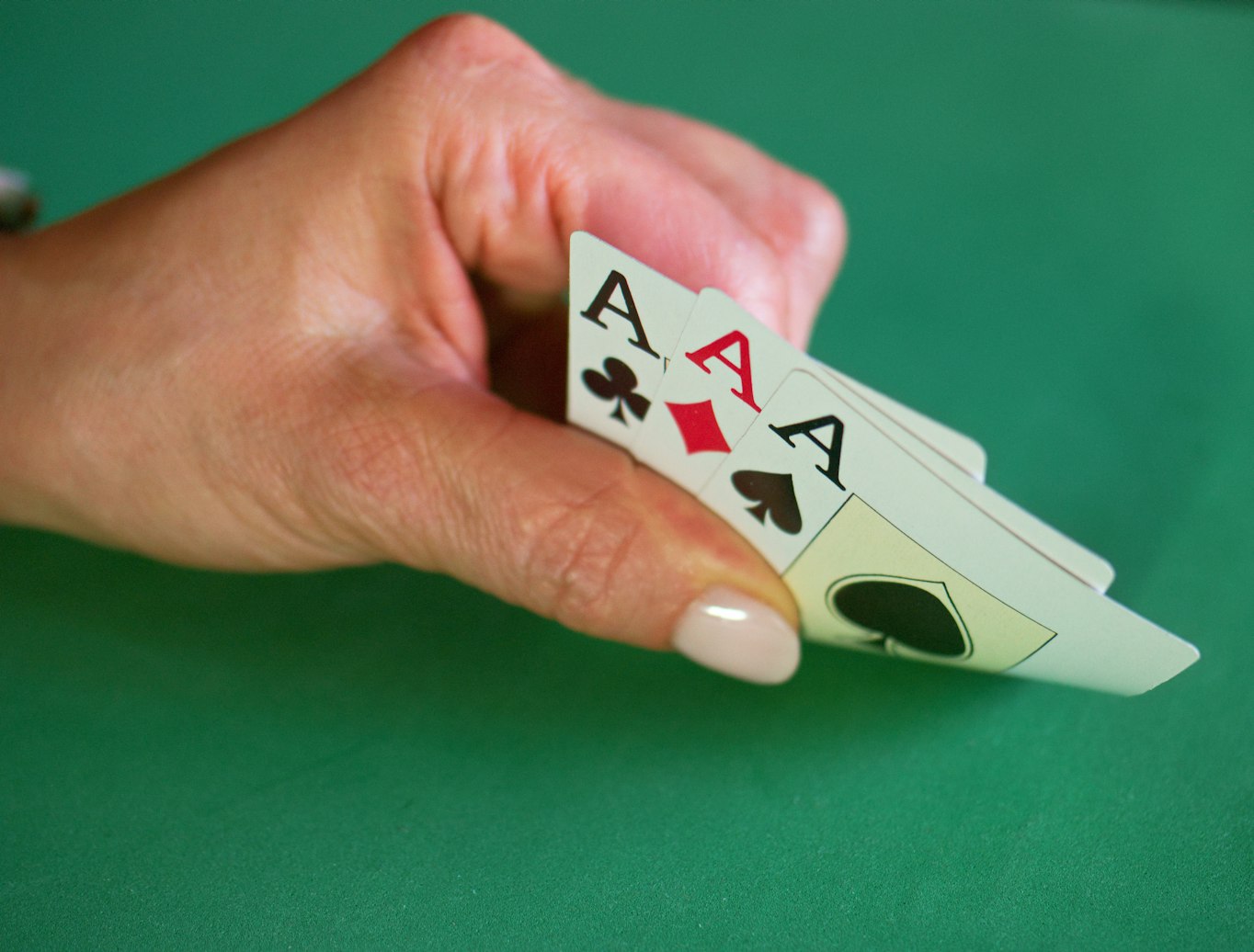
Understanding how gambling affects decision-making begins with recognizing the psychological mechanisms at play. Emotional responses, such as thrill and anxiety, can cloud judgment and lead individuals to underestimate risks. Consequently, people may find themselves placing larger bets or making choices they would typically avoid in more rational contexts.
Cognitive Biases in Gambling
Cognitive biases are systematic patterns of deviation from norm or rationality in judgment. In the realm of gambling, several biases emerge, influencing how decisions are made. The illusion of control is one such bias, where gamblers believe they can influence the outcome of random events, leading to overconfidence in their betting strategies. This can result in continued play even after experiencing significant losses.
Additionally, the gambler’s fallacy, where individuals believe that past outcomes affect future probabilities, can severely skew decision-making. For instance, a player might think that after a series of losses, a win is “due,” prompting them to gamble more aggressively, despite the odds remaining unchanged.
The Role of Emotional States
Emotional states play a critical role in decision-making, particularly in high-stakes situations like gambling. Positive emotions can encourage risk-taking behavior, while negative emotions can lead to desperate measures as individuals seek to recover losses. This emotional rollercoaster can significantly impair logical reasoning, making it challenging for individuals to assess their situation clearly.
Moreover, stress and excitement can trigger the release of dopamine, a neurotransmitter linked to pleasure and reward. This biochemical response reinforces the desire to continue gambling, even in the face of negative outcomes. Over time, this can lead to problematic gambling behaviors as individuals chase the high that accompanies a win.
The Influence of Environment on Gambling Decisions
The environment in which gambling occurs can profoundly impact decision-making processes. In venues like casinos, design elements—such as layouts, lighting, and sounds—are strategically crafted to create an immersive experience that encourages prolonged play. This can lead to disorientation, making it harder for individuals to make rational choices.
Furthermore, social dynamics in gambling settings also play a significant role. Peer pressure and the desire for social acceptance can compel individuals to make riskier bets or continue playing beyond their means. The presence of other gamblers can amplify emotional responses, creating a competitive atmosphere that further skews judgment.
Protecting Yourself While Gambling
Understanding the psychological impact of gambling is crucial for anyone participating in such activities, especially in an online environment. Awareness of cognitive biases and emotional influences can help individuals make more informed decisions. Setting limits on time and money spent can mitigate impulsive behaviors often exacerbated by the thrill of gambling.
Additionally, resources and support systems are available for individuals who may find their gambling habits becoming problematic. Recognizing when to seek help is a vital step in ensuring that gambling remains an enjoyable activity rather than a source of distress. This website is committed to providing valuable information and guidance for those navigating the complex landscape of gambling and its psychological effects.
